How to grow with the GrowPod
Hydroponics looks technical from the outside, but the plant's requirements have not changed since it grew in a field. It needs water, dissolved minerals, air at the roots, light for enough hours of the day, and someone to cut it back before it gets tired. The GrowPod handles the light and holds the water. This guide covers the rest.
Setting up
Start with a clean reservoir. Rinse it with warm water before the first planting and between crops — no detergent, which leaves residue that is difficult to flush out of a small tank.
Fill with tap water up to the maximum line. Room-temperature water is better than cold straight from the tap, which slows root activity for a day or two. Hard water works fine — herbs are not fussy — though you may see a chalky ring at the waterline over time.
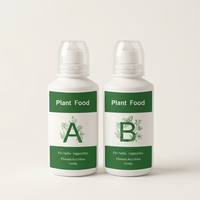
Dissolve one dose each of nutrient A and nutrient B into the filled reservoir. Add them separately rather than mixing the concentrates together first, which makes some minerals bind and drop out as a sediment the roots cannot use. Stir gently.
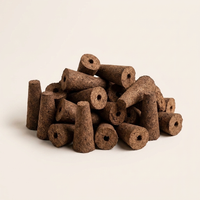
Seat a grow pouch into each pod collar so it sits level and its underside meets the water. Sow two or three seeds per pouch, just under the surface of the medium — most herb seeds are small and want to be shallow. More than one seed is insurance against a dud; you will thin them later.
Set the unit somewhere stable and indoors. The GrowPod is rated IP42 — protected against dust and light splashes. It is not waterproof, so keep it away from sinks, hobs and anywhere it could be soaked or submerged.
Germination
The seed does not need light to germinate, but it does need constant moisture. The pouch should stay damp to the touch, never dried out at the surface and never sitting in a puddle. If the top of the pouch dries faster than the water can wick up, dribble a little water over it once a day for the first week.
Most culinary herbs break the surface between five and fourteen days. Basil and rocket tend to be quick; parsley, thyme and oregano can be slow and uneven, sometimes taking longer than two weeks. Speed depends on seed age, variety and room temperature, so treat any timing as a range rather than a schedule.
Once seedlings have their first pair of true leaves — the second set, not the rounded seed leaves — thin each pouch to the single strongest plant. Snip the others at the base with scissors rather than pulling, which disturbs the roots you are keeping. Thinning feels wasteful and is not optional: crowded seedlings compete for light and stay weak and spindly.
The light cycle
Leafy herbs do well on roughly fourteen to sixteen hours of light a day. Fruiting plants such as chillies or mini tomatoes are happy at the upper end of that range.
The dark period matters as much as the light. Plants respire around the clock, and much of the work of converting the day's sugars into new tissue happens at night. Continuous light also removes the daily rhythm that tells many species when to root, branch and flower; a plant left under a lamp around the clock often looks pale and stalls. Keep the on and off times consistent — a plug-in timer socket is the simplest way to make that automatic.
Water, feeding and changing the solution
Plants drink faster than they eat. As the reservoir level drops through the week, top it up with plain water, not more nutrient solution — otherwise the mineral concentration climbs steadily and begins to burn root tips and scorch leaf edges.
Every two to three weeks, empty the reservoir completely, rinse it, refill it and add a fresh dose of A and B. A full change resets the balance: plants take up minerals selectively, so what is left after a fortnight is no longer the mixture you started with. Change it sooner if the water smells sour or looks cloudy, and change it more often as the planting matures — heavily harvested basil consumes far more than a tray of seedlings.
Light height and leggy growth
Keep the panel close to the canopy. A plant short of light stretches towards it, putting its energy into long bare stem instead of leaves. That is what leggy growth is: a plant spending its reserves on travel. Stretched stems stay weak and cannot be reversed once formed.
As plants gain height, raise the light to keep a comfortable gap above the leaf tips — close enough that growth stays compact, far enough that leaves do not touch the housing. If the light cannot be raised, manage the gap the other way by harvesting more often to keep the canopy low.
Harvesting
Cut just above a pair of leaves or a visible side shoot. The plant will push out two new stems from that junction, so each cut roughly doubles the branching. Cut in the middle of a bare stem instead and you leave a stub that does nothing.
Never take more than about a third of the plant at once. Leaves are the plant's engine; strip too many and it has nothing left to power regrowth. Harvest little and often rather than in one large cut. Basil, mint and rocket respond well to weekly picking; woodier herbs such as thyme and oregano prefer a lighter touch.
Algae and root health
Green or brown film on the water and around the collars is algae, and it needs three things: water, nutrients and light. You can only remove one. Block light from the water — keep pouch collars fully seated, cover unused pod openings, and keep the reservoir out of direct sun or lamplight. Small amounts are cosmetic, but algae competes for nutrients and its die-off fouls the water.
Healthy roots are white to cream, firm, and smell of very little. Brown, slimy or sour-smelling roots mean the water has gone stagnant. Change it fully, rinse the reservoir and the root mass gently, and top up less generously so more root surface sits in air rather than submerged.
Starting again
Annual herbs finish. Basil, coriander and rocket eventually bolt — the stem elongates, leaves get small and pointed, flower buds appear and the flavour turns bitter. Pinching out the first buds buys a few weeks; after that, the plant has decided. Pull it, discard the spent pouch, rinse the collar and sow again. Staggering new sowings a few weeks apart keeps a continuous supply rather than a boom and a gap.
Troubleshooting
- Yellowing lower leaves. Usually the plant reallocating nitrogen from old leaves to new growth, meaning the solution is exhausted. Do a full water change with a fresh nutrient dose. If it continues after a change, check that the water level still reaches the pouch base.
- Long, leggy stems with sparse leaves. Not enough light, or the panel is too far from the canopy. Lower the gap, extend the daily light period towards sixteen hours, and cut the plant back above a leaf pair to force compact regrowth.
- Slow or patchy germination. Often normal — parsley and thyme are naturally slow. Also caused by a pouch surface drying out, seeds sown too deep, cold room temperature, or old seed. Keep the pouch evenly damp and give it another week before resowing.
- White film on the water. A thin surface skin is typically mineral scale or a biofilm from still, warm water. Change the solution, rinse the reservoir and check the room is not unusually warm.
- Wilting despite a full reservoir. Check the roots. Slimy brown roots mean stagnant water — change it and lower the level slightly. Firm white roots with wilting leaves usually mean heat or dry air; move the unit away from a radiator or direct afternoon sun.